Marie-Eve Levert
“During my first encounter with an organic farmer, he told me that every time he walked through his fields, it didn’t feel like work. He saw so much wildlife—birds, deer, butterflies, insects—that it was like being in a park. His job, as he saw it, was to sustain the ecosystems around him.” For Dr. Andrew Hammermeister, this moment was a revelation, a sharp contrast to the traditional farming practices he had known.
Dr. Hammermeister, now the director of the Organic Agriculture Centre of Canada (OACC), has since become a driving force in shaping the Canadian organic landscape. If you’re involved in the science behind organic agriculture, you likely know him for his research, his leadership in building a national organic research agenda, or perhaps through Dalhousie University’s Certificate of Organic Agriculture program, where many have turned to him to deepen their agronomic expertise. As for me, I’ve had the privilege of knowing Andy for over a decade, through his work on national committees.
Recently, I sat down with Dr. Hammermeister, better known to me as Andy, to learn more about his journey into organic agriculture, and to understand what continues to fuel his unwavering dedication to the movement.
Early Days on the Farm
Andy’s roots in agriculture run deep, stretching back to his childhood. He grew up on a mixed beef and grain farm in southeast Saskatchewan. Surrounded by fields and grains in a mostly self-sufficient farm, studying agriculture seemed like the natural path for Andy.
It wasn’t until Andy was an undergrad in agriculture at the University of Saskatchewan that he first encountered organic farming. That experience would fundamentally change his view of agriculture.
“One summer, I had a job with a soil scientist. My role was to go out and take soil samples on farms throughout southeastern Saskatchewan. During that time, I came across a farmer in our local area. He was excited to take me out to his field and show me around, and that’s when I learned he was an organic farmer. It was something I knew nothing about at the time.”
The farmer’s pride in his fields and his deep connection to the land left a lasting impression on Andy. “He had installed shelterbelts and planted them by hand, watering and tending them for years. He told me that when he comes out to his field, he feels like he’s never working; it’s like going to a park. He loved the environment, the wildlife, and the beauty of his land. It was such a different approach to agriculture than what I had been used to.”
That encounter not only opened Andy’s eyes to organic farming, but it also set him on a path that would ultimately define his career.
Pursuing Higher Education and Moving East
Inspired by that transformative farm visit, Andy pursued a Master’s degree in Land Reclamation and his Ph.D. in Applied Ecology from the Univer-sity of Alberta. After completing his PhD, Andy joined the Native Plant Society of Saskatchewan to promote native ecosystems and conservation. However, his passion for agriculture and research remained strong. During a field day at the Agriculture and Agri-Food Canada (AAFC) Scott Research Station in Saskatoon, he reconnected with organic agriculture, reigniting his interest in the field.
Around the same time, Andy and his partner decided to move East. This move marked the beginning of a new chapter in Andy’s career, one that would see him play a pivotal role in advancing organic research and education across Canada.
First Years at the Organic Agriculture Centre of Canada
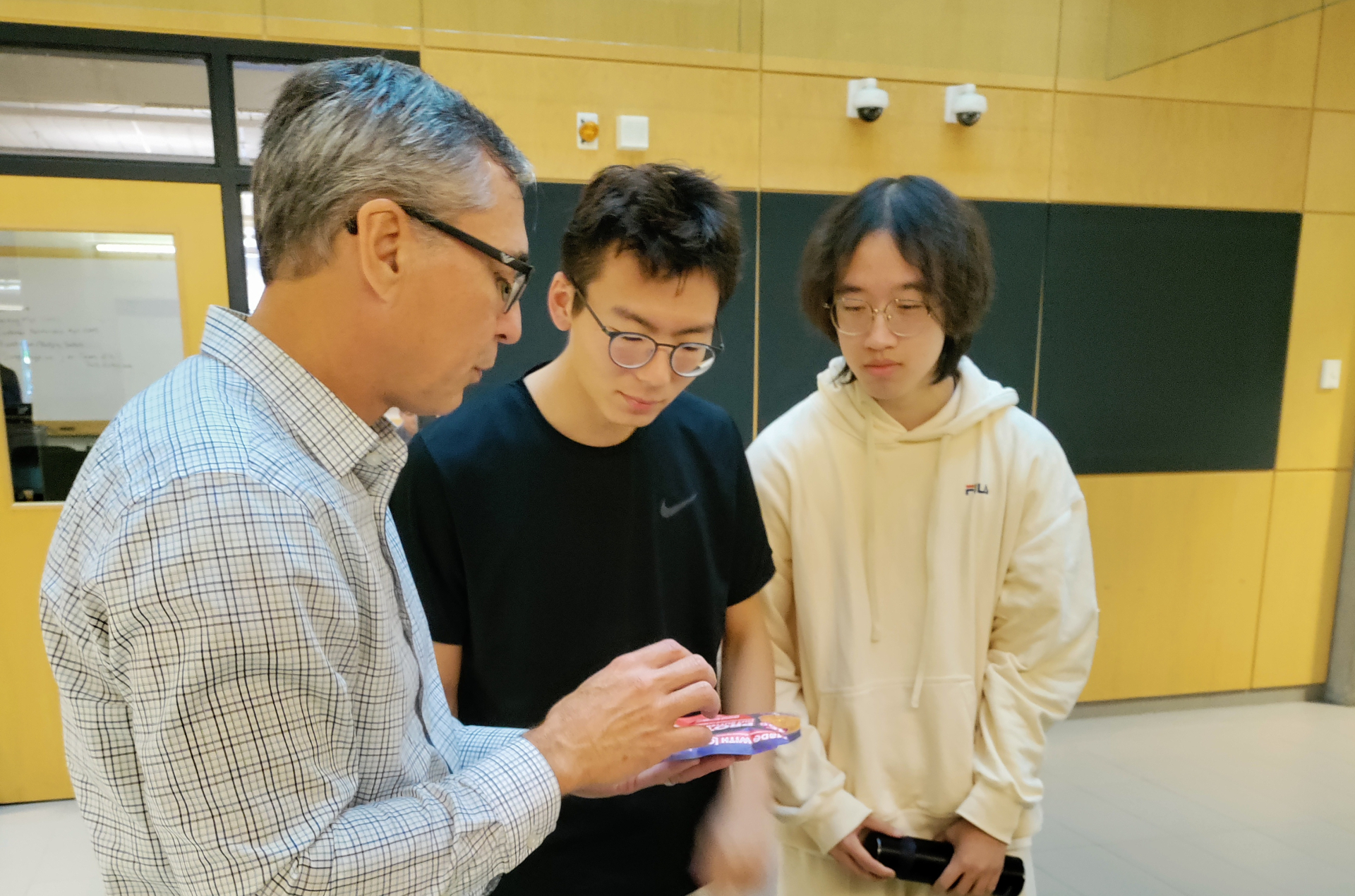
As he was moving East, the OACC was in its emerging phase under the care of Dr. Ralph Martin, and two key employees, Dr. Derek Lynch and Dr. Av Singh. Initially, Andy’s role was a temporary post-doc position, but his interest in the work and the people he collaborated with meant he never left.
At the time, the OACC was working on some pioneering initiatives, including the development of the online Certificate of Specialization in Organic Agriculture at the then-Nova Scotia Agricultural College (now part of Dalhousie University). Ralph and others built one of the first structured organic curricula in Canada, even though they faced logistical challenges along the way.
“Ralph really laid the groundwork for the online certificate, building a network of professor across the country to deliver the courses,” Andy reflects. “Also, his decision to prioritize hiring PhD-level researchers at OACC helped establish organic research as credible within the scientific community. His emphasis on scientific integrity was instrumental in advancing the organic movement.”
Transitioning into Leadership
When Ralph moved to the University of Guelph, Andy transitioned into the Director role at the OACC while also becoming a professor. This shift wasn’t without its challenges, as Andy had to balance the expectations of teaching and research with his new responsibilities. Despite the hurdles, he embraced the challenge with the support of Dalhousie University, knowing that his leadership was essential in moving the centre forward.
Under initially Ralph’s and then Andy’s leadership, the OACC continued to take a significant role in national organic research, transitioning from regional research work conducted by the Centre to national coordination of organic science. One of his biggest achievements was establishing the first Organic Science Cluster, a national research initiative that brings together scientists, farmers, and industry experts across the country, in 2009. This approach strengthened the credibility of organic science in Canada and highlighted the importance of a coordinated effort in advancing organic research. The Organic Science Cluster represented a major shift in how organic research was coordinated nationally, and ever since its launch it has been helping address the unique challenges faced by organic producers.
The Organic Science Cluster, now in its fourth phase, has driven more than 30 million dollars in private and public investment in key research areas for organic in Canada, and has supported hundreds of scientists and graduate students across Canada working in collaboration with producers and industry partners to address their challenges while improving our understanding of organic farming systems, and identifying practices relevant to all of agriculture.
The Farmers Who Inspire Him
While Andy’s work is grounded in science, his motivation continues to come from the people who are directly involved in farming. “The inspiration for me started with meeting that organic farmer who changed my view of agriculture. But over the years, it’s the farmers who have stayed committed to organic for 30, 40 years that inspire me the most. They’re not only environmentally sustainable but also economically viable, which is no easy feat. Their passion for the land is huge, and that’s what keeps me going,” he says.
This deep respect for farmers is a recurring theme in Andy’s career. Time and time again, he has emphasized the importance of listening to the needs and experiences of farmers when conducting research. “It’s the farmers who are out there every day, working with the land, and they have invaluable knowledge about what works and what doesn’t. My job is to take that knowledge and help translate it into research that can benefit them and the organic community as a whole.”
Looking into the Future
As Andy looks toward the future of organic agriculture, he is not just thinking locally but also globally. His involvement with the Technology Innovation Platform of IFOAM Organics International (TIPI) and the International Society for Organic Agriculture Research (ISOFAR) reflects his broader vision for organic farming. Both TIPI and ISOFAR bring together researchers and stakeholders from across the globe to foster innovation in organic agriculture. For Andy, being a part of this network isn’t just about contributing to science; it’s about supporting the international organic movement and ensuring that the global organic community continues to evolve.
“We need to think about the future of organic beyond our borders,” he explains. “TIPI provides that platform for collaboration, allowing us to exchange ideas, approaches, and innovations with researchers from around the world. ISOFAR works to build scientific knowledge and integrity in organic agriculture. It’s exciting to be part of something larger than any one country or region, and it’s a privilege to contribute to the dialogue on organic agriculture on a global scale.”
As Andy looks to the future of organic agriculture, his focus remains on those who will inherit the challenges and opportunities of the movement. “For me, it’s about making sure that those who come after us are prepared and have the tools they need to continue this work. The science, the knowledge, the commitment—it’s something we have to pass on,” he reflects.
Having worked with Andy on national committees, I’ve seen firsthand how his approach is rooted in bridging science with the practical needs of farmers and the broader community. His ability to ground the movement in science, while advocating for policies that support sustainable farming, has been invaluable. Andy’s commitment goes beyond his scientific expertise; it’s about ensuring that organic agriculture remains both practical and innovative, driven by a clear understanding of the challenges farmers face and the solutions they need. At the same time, he is committed to pursuing the vision and guiding principles of the international movement.
Marie-Eve Levert is the principal of Levert Organic Strategy. She has been involved in trade, international relations, and strategic planning for the organic sector for the past decade. She has led organic international trade missions in the United States, Europe and Japan and has been acting as a senior strategic liaison with industry associations, government, institutional and community stakeholders in Canada and abroad. Currently, Marie-Eve serves as the Chair of the Technical Committee for the 2025 revision of the Canadian Organic Standards (COS).
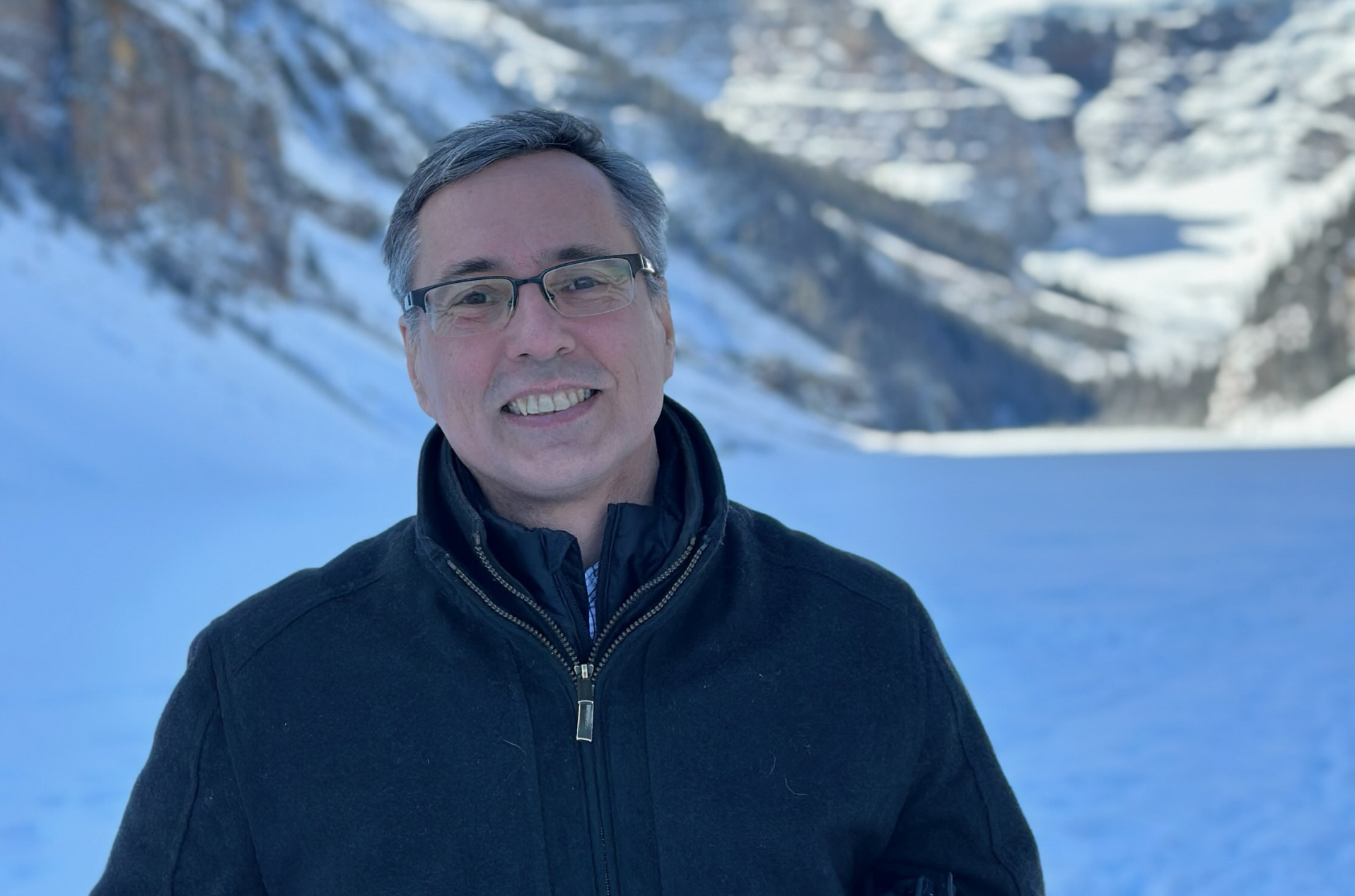
Featured image: Dr. Andrew Hammermeister against a snowy backdrop. Credit: OACC.