Eva-Lena Lang
In the fall of 2024, I had the privilege of accompanying University of British Columbia (UBC) researchers on a two-week field visit to Germany and India. With a focus on agroecology and organic practices, we built relationships with research partners, community organizations, farmers, and farmer communities and gained insights into how farmers can build locally relevant, resilient, and sustainable food systems in response to climate change.
This trip was the launch of the Agroecology for Climate Adaptation and Mitigation project, a research project focused on agroecological transitions in vulnerable farming communities in Canada, Germany, India, and Brazil. For more details about the project, please see the project overview: bit.ly/4hKeuPW
Germany (September 18 – 24)
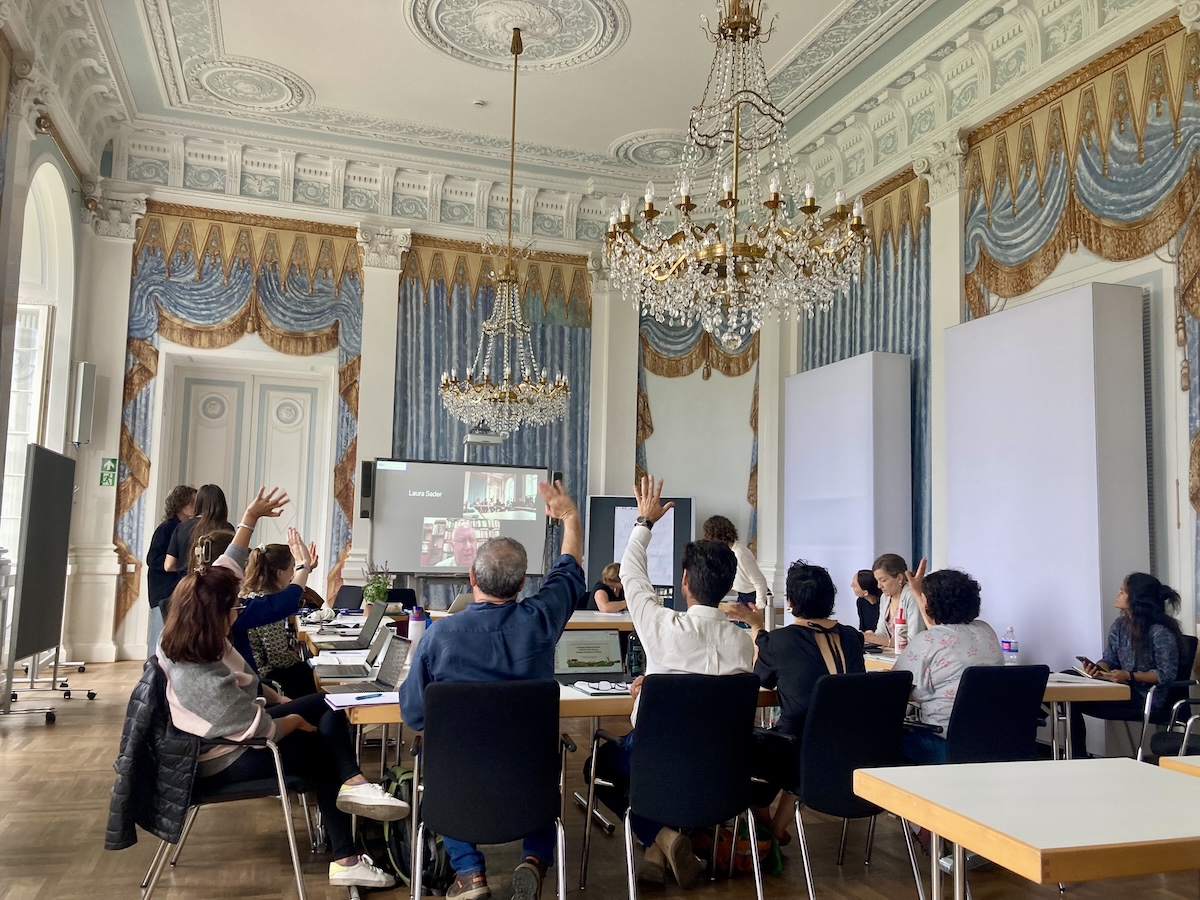
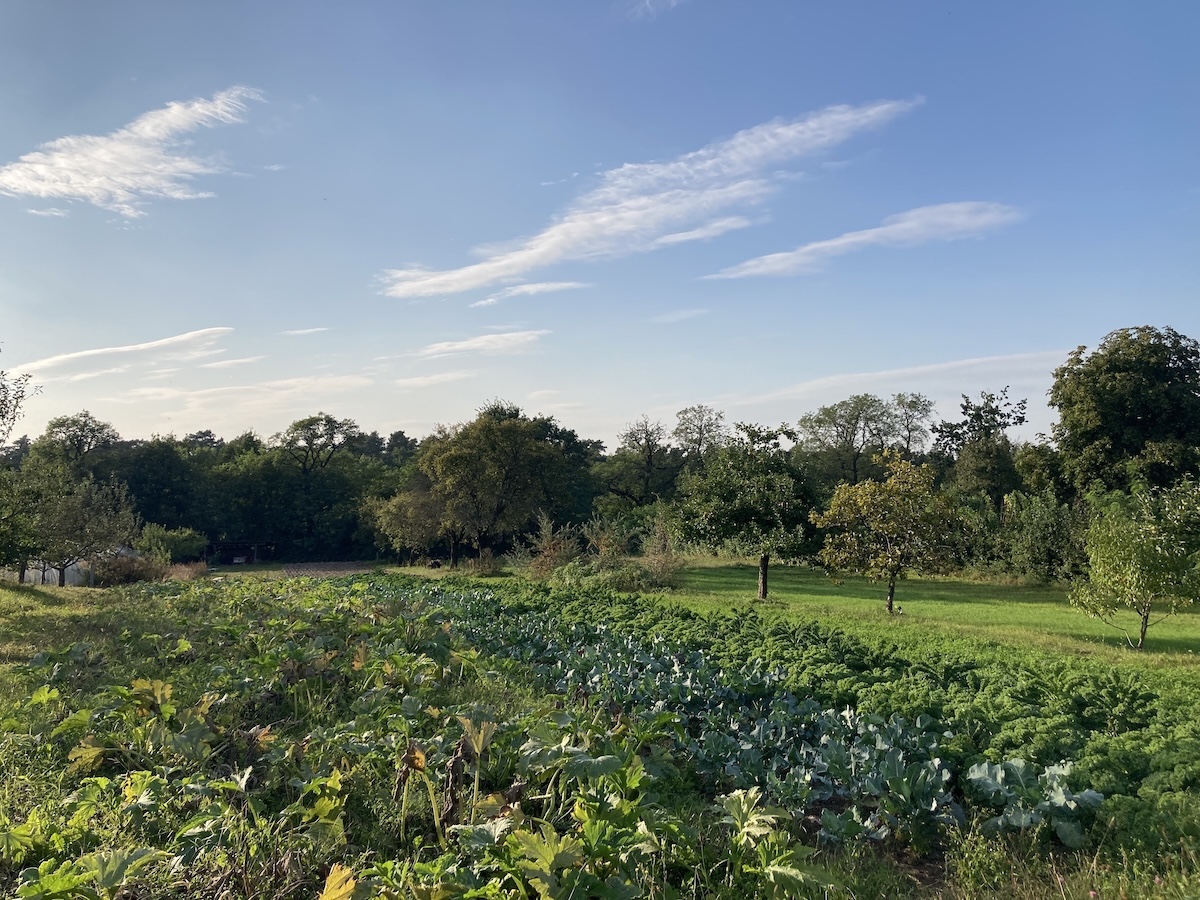
In Germany, we met with research and community partners from the other three countries. We toured three farms in northeastern Germany, close to Berlin, and worked at the Leibniz Centre for Agricultural Landscape Research (ZALF) and the University of Hohenheim, where we all co-developed our research, presented our case studies, and clarified how we will work together moving forward.
India (September 26 – October 1)
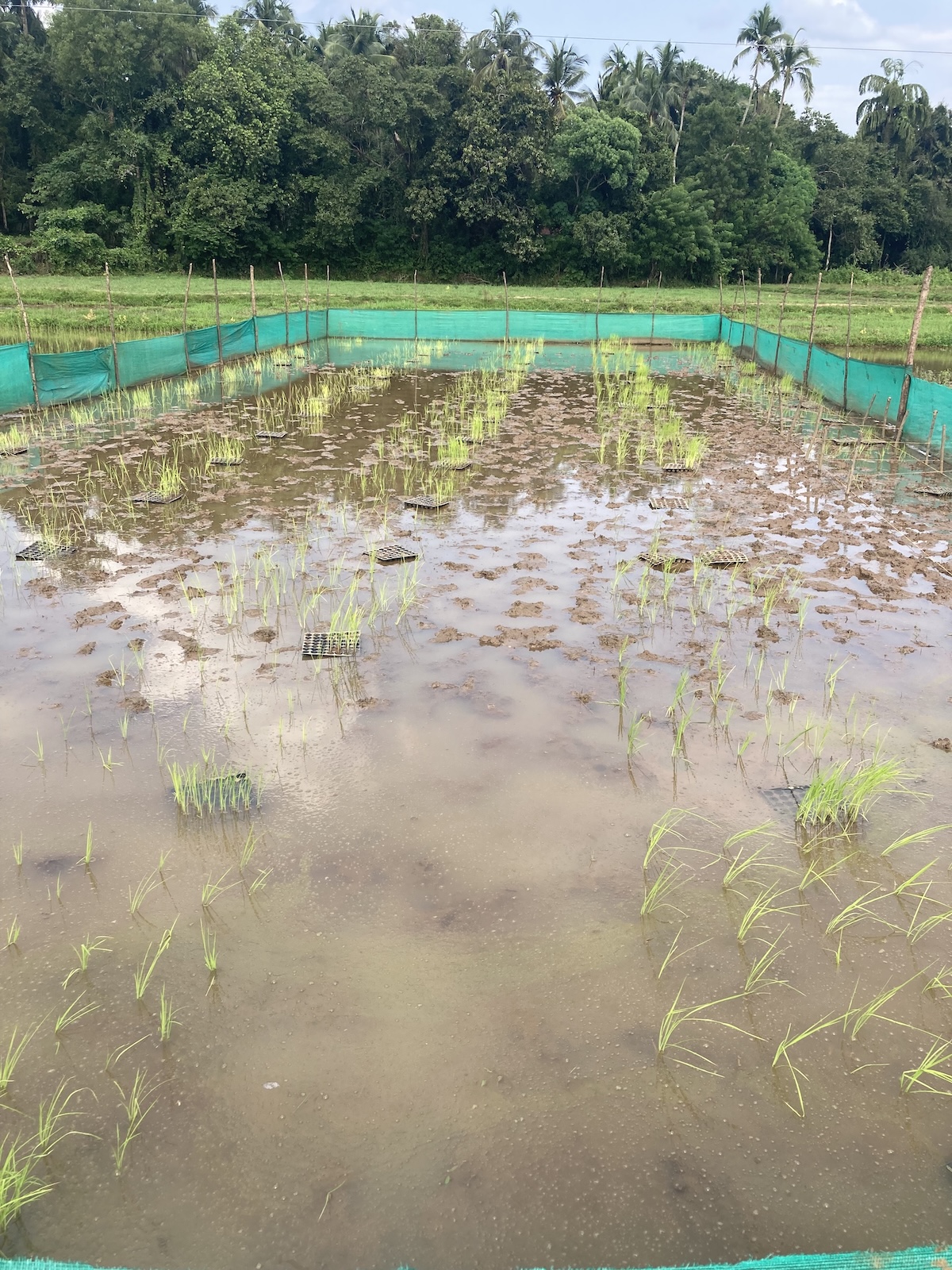
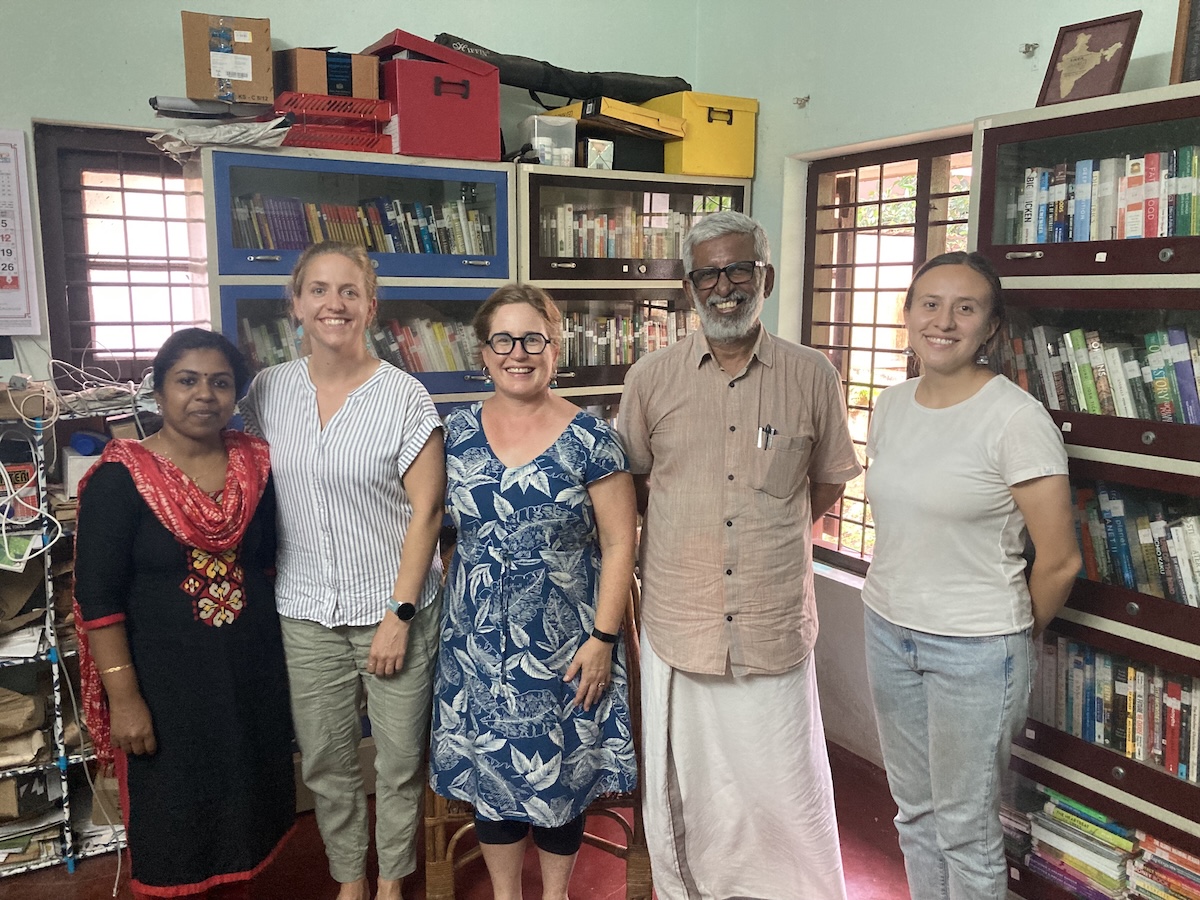
In India, I joined Hannah Wittman and Carolina Diaz from UBC for a tour of 11 farms, two food processing sites, two incredible organizations (the Organic Farming Association of India, or OFAI, and Thanal Trust), and the Organic Agriculture Department at Kerala Agriculture University, where we met the Dean and presented to the agricultural extension and organic agriculture faculty.
Kerala’s farming sector is facing major challenges, such as reduced rice cultivation, a shift towards crops like rubber and coconut, and a lack of infrastructure for irrigation and storage. As well, government neglect, ecological damage (from floods, landslides, and other events), and low farmer incomes have led to a decline in interest in farming, with many people seeking work in other sectors, including abroad. The visit emphasized the importance of shifting mindsets, with OFAI promoting democratic governance and gender inclusivity in decision-making, as well as fostering knowledge transfer through regular gatherings and local leadership.
Key Themes, Insights, and Lessons Learned
Organic Practices, Soil Health, and Agroecology
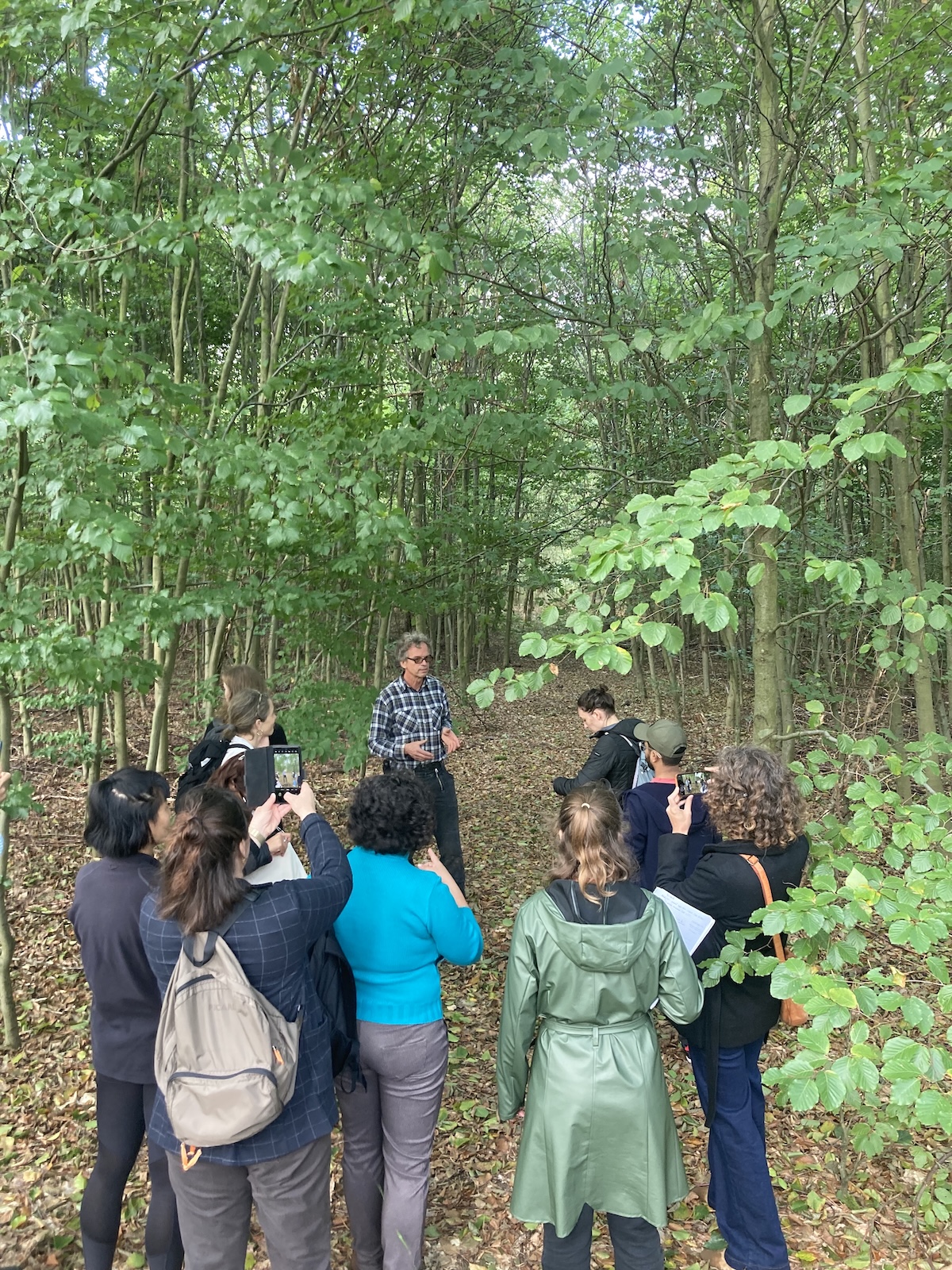
Organic farming practices were at the core of our visit, especially with respect to enhancing soil health. In Brandenburg, the farmers we met with are committed to regenerating soil that had been depleted due to overuse, particularly after the Cold War, and presented many examples of building soil health through organic compost, crop rotations, and ecosystem services. In India, organic practices are promoted not only for environmental reasons, but also for health and community wellbeing. Farmers highlighted the importance of using local inputs like neem oil for pest management and promoting biodiversity to maintain soil vitality.
Our visit also underscored the importance of agroecology as a holistic approach to farming, which is being integrated into long-term land management strategies, with a focus on biodiversity and ecosystem services.
Farmer Empowerment, Mobilizing Farmers, and Cooperative Methods
A central theme across both countries was the mobilization of farmers through social networks, peer groups, and cooperative structures, working together for market access, shared knowledge, and support.
Historical Context and Resilience
Both countries’ agricultural practices are shaped by their respective histories. In Germany, the legacy of the Cold War and land depletion during that time are important historical contexts, and the shift toward sustainable farming practices was driven by the need to rebuild and protect the land. In India, the challenges of colonial agriculture followed by post-independence land reforms shaped farming practices and social structures, with some areas now focusing on small-scale, organic farming as a sustainable alternative.
The Importance of Ecosystem Services and Long-Term Planning
German farmers, such as Ralf Behring and the collective at Hof Marienhohe, emphasize the importance of focusing on ecosystem services and long-term soil health rather than maximizing short-term yields. This approach helps farmers plan for multigenerational success and biodiversity conservation. In India, while organic farming practices are often smaller in scale, they also reflect a long-term view, focusing on improving soil health and creating resilient farming systems.
Government Support and Policy Innovation
Government policies in both countries are a critical factor in supporting organic farming. In Germany, subsidies for organic farms are available, though they are sometimes seen as restrictive. In India, while there is potential for government support for organic farming, it is often insufficient or misaligned with the needs of small farmers. There is a clear call for more direct and effective government policies that prioritize organic farming and farmer autonomy.
Global and Local Parallels
The visit highlighted how global challenges, such as climate change and soil degradation, are tackled through local solutions. The exchange with German and Indian farmers was instrumental in understanding the parallels in challenges and the diversity of approaches to sustainable farming, and demonstrated that global issues often require local solutions tailored to specific environmental and social contexts.
Market Access and Certification Challenges
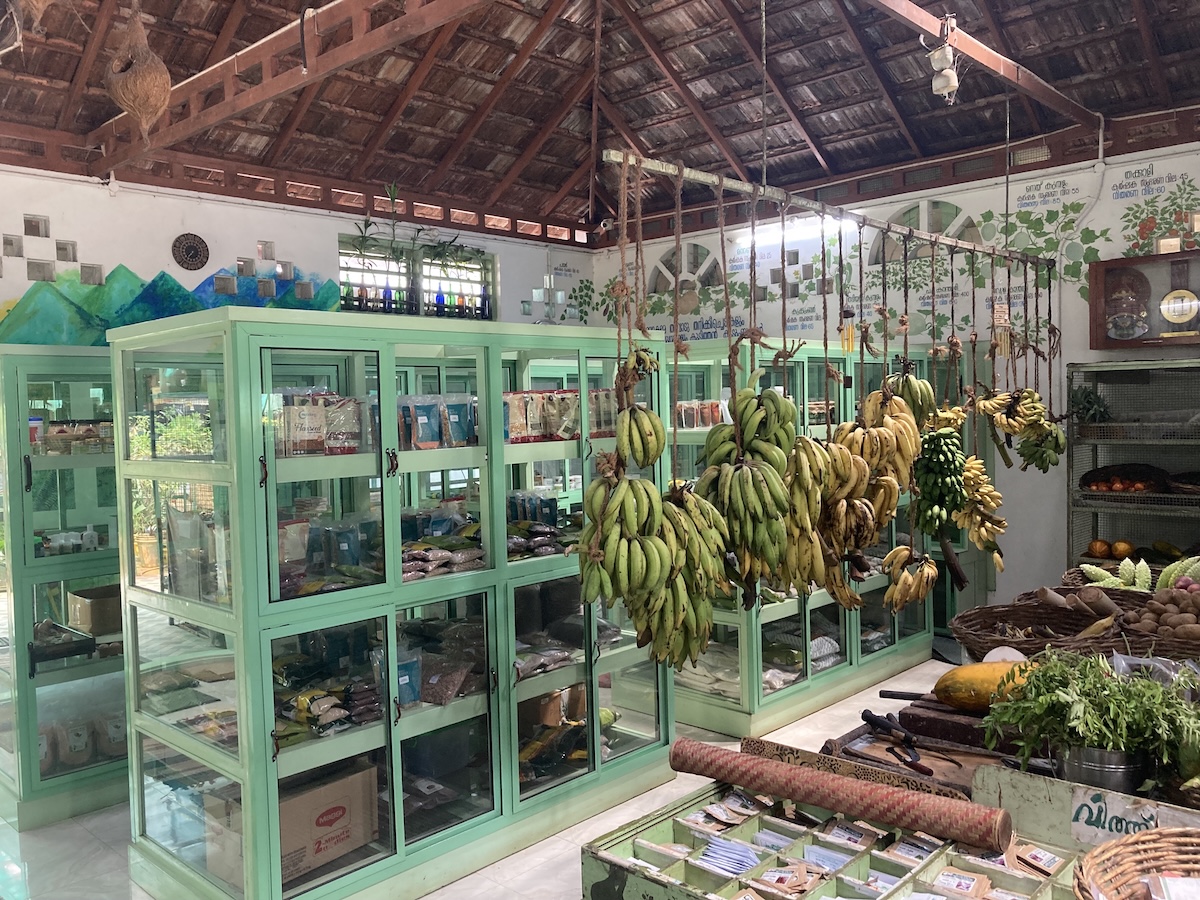
Access to markets and the challenge of certification are significant concerns for organic farmers in India, which they overcome by working collectively. Government subsidies for organic farming are available but are not always aligned with the needs of farmers. The certification process is often costly, but Thanal, with support from the government, provides various incentives and support.
Cultural and Community Pride
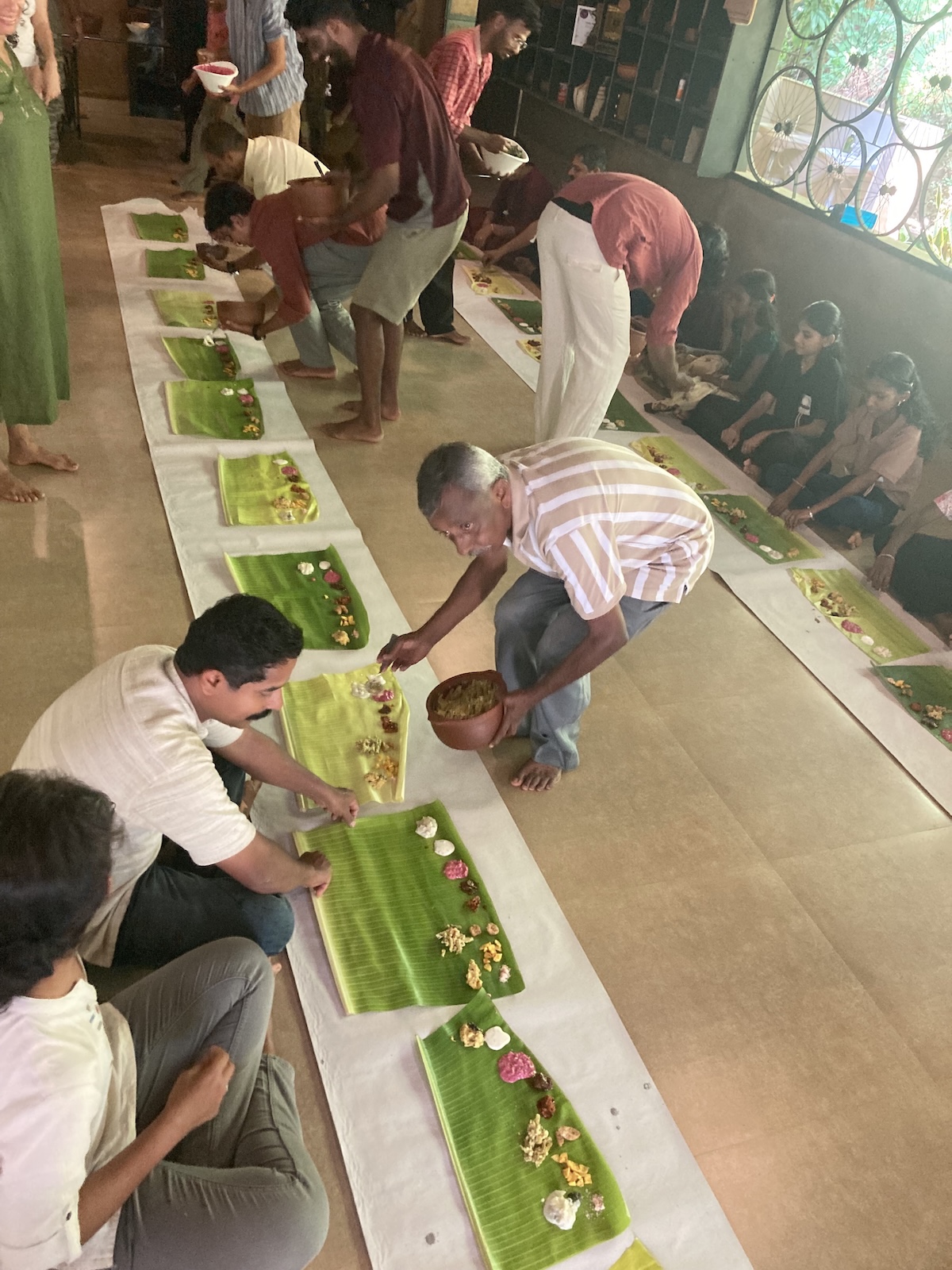
Throughout the visit, the sense of community, pride, and enthusiasm was palpable. In both Germany and India, farmers expressed deep pride in their work and a collective desire to protect the land for future generations. The importance of community-based approaches and the role of farmer organizations in providing support and education was emphasized as crucial for building resilience and fostering sustainable agricultural practices.
The exchange of knowledge and experiences between farmers in these two diverse regions demonstrated the power of collaboration in addressing global agricultural challenges. I was struck by the fluidity and respectful nature of all the conversations across fields and cultures and the shared passion and hope to drive a better future. These global relationships have the power to influence the systems in which we do our work, and to do it better.
Thank You
Every host in Germany and India was incredibly generous with their time and hospitality. I would not have been able to participate and contribute to this immense opportunity—a privilege—if it wasn’t for Hannah Wittman inviting Organic BC to be UBC’s community research partner in this three-year project, and for the Organic BC team managing everything while I was away.
I am excited to see this project unfold over the next three years as we collaboratively work across borders to support farmers and actors in our regional food systems.
Eva-Lena Lang lives on the traditional territory of the Syilx Okanagan people and is the executive director of Organic BC.
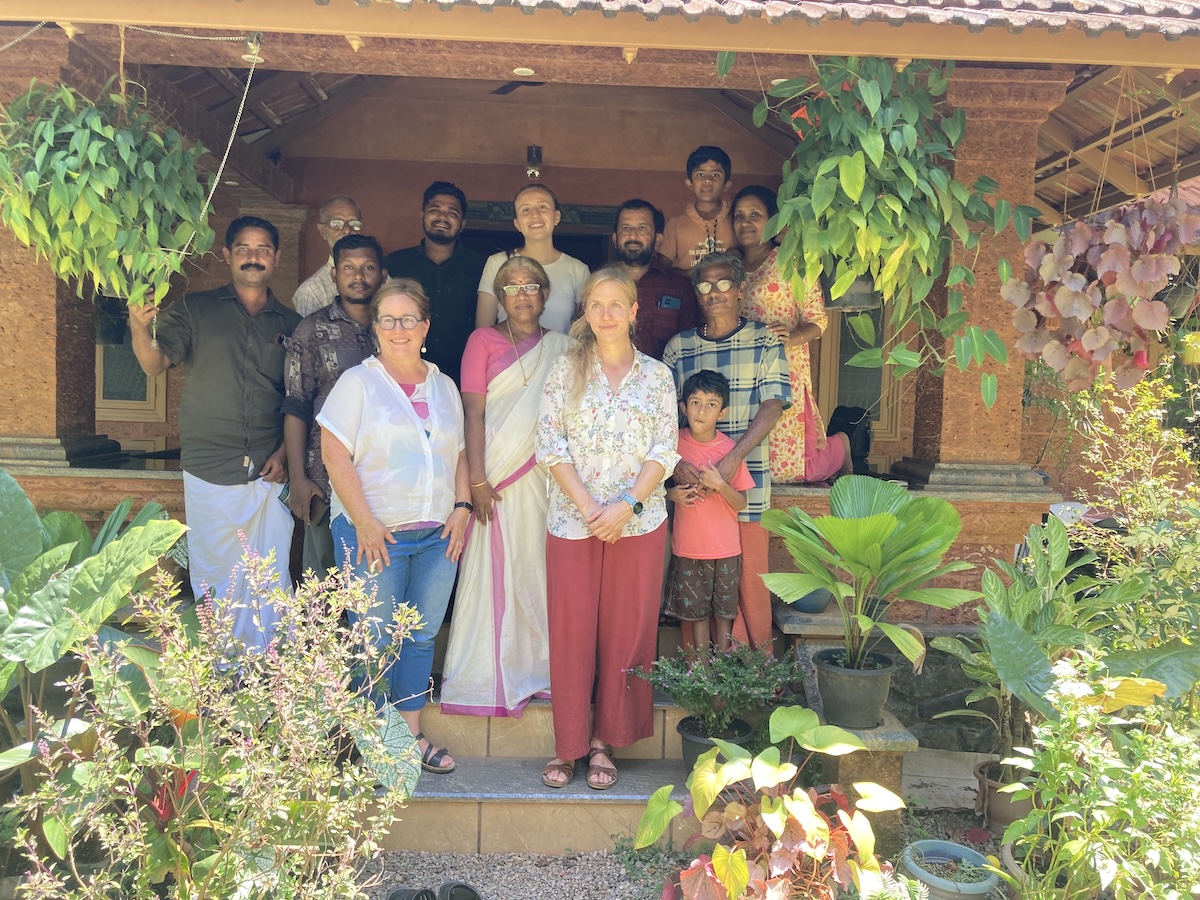
Featured image: A visit to the farm of Mr. Ankara Nampoothiee (second row, right) in Sreekrishnapuram, Kerala, India. Mr. Nampoothiee and his wife (second row, middle) are leaders in organic agriculture and education. Before going on a tour of the farm, everyone enjoyed sweets and tea, got to know each other, and explored the home, which was built in a traditional manner and designed to keep the interior cool. Even the yard had its own cooler microclimate due to the intentional planting around the home. Credit: Eva-Lena Lang.