
Anna Helmer
The goal is always to finish planting garlic, which is the last of the field jobs, the morning before the first snow-laden clouds lower into the valley. At that point, the snow will mercifully cover up and temporarily defeat the farm’s problem areas. Currently, those areas are rather difficult to ignore, and in some cases running completely amuck.
Luxury to me is waxing on about farming whilst sitting inside on a computer with the blinds drawn on the window. I am wallowing in it right now and, in fact, it’s next-level lavish luxury: it’s teaming snow and rain outside, the kettle is on the boil again, there’s no market this week, the farmstand is full enough, and there are no more orders to fulfill. Simply put, there’s no need to farm today and it won’t be necessary tomorrow either and even if I wanted to, there’s little else I can do for the farm in 2024. In fact, the final profit and loss statement of the year is only days away, and a fresh farming financial start awaits in five days, four days, three, two, one…
Here’s a top-secret admission: writing about farming is far easier than doing actual farming. Unless you are writing about Biodynamic farming of course, in which case the reverse is true. I’ve made my choices; I’m learning to live with them.
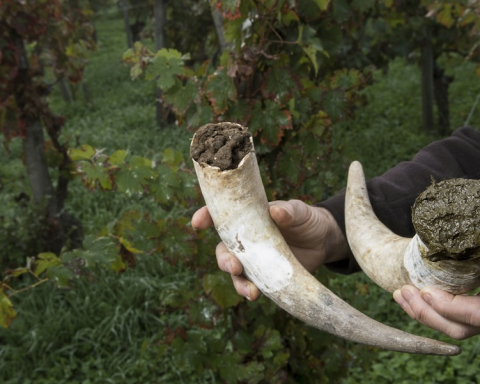
The last meaningful work of 2024 was to bury cow horns filled with manure at the foot of the garden. This is the basis of Biodynamic Preparation 500, which is really the basis of Biodynamic farming itself, and it ought to be done much earlier in the fall. Not only is it conventional Biodynamic wisdom to do it then, but normally the ground is completely frozen and undiggable by the end of December. However, the weather that has passed for winter so far has not achieved that and the ground is soft. We’ve taken full advantage by putting off the job in favour of all the other work.
Stuffing manure into cow horns and burying them for a season or two is obviously a distinctly Biodynamic activity. What we are trying to do is capture and concentrate stored cosmic energy that we can later spread over the fields. This is really the essence of Biodynamic farming: get the infinite energy of the universe into the people via the food we grow. No big deal.
We don’t have cattle, so the manure comes from elsewhere. For this batch, we are using a pail of finest Fraser Valley product provided by one of the finest Fraser Valley farmers I know. The horns are from our collection. We’ve had them for years now. I am not sure of the lifespan of cow horns intended for Biodynamic Preparation making. I suspect we are pushing it, but they worked last year.
That is one of the nice things about using Biodynamic methods on your farm: you can pick and choose what you want to do and think, depending on your conditions. In our case, there are no herds of horned cattle around that aren’t pets and it’s unneighbourly to hover around waiting for them to croak to get at their horns. We need to make ours last. I figure when they can’t hold water anymore, they are done.
You see the problem with Biodynamics: it’s hard to pin down best practices. The International Demeter Standard, posted in four languages on their website, addresses the issue:
demeter.net/certification/standard
Right off the hop, it points out that the huge diversity of conditions all over the world means that it is up to the farmer to learn and decide what works and what to attempt. Conventional Biodynamic wisdom would suggest that burying old horns stuffed with manure that did not come off your farm the day before Christmas is not in line with the recommendations. However, as practical considerations brought us to this point, we think it’s reasonable. Ergo, we are in compliance.
The standard even protects us from hard-liners who might censure such a loose approach to seasonal and material definition by clearly stating: “adherence with formalities is not the goal of Biodynamics.” I have this bit underlined in red pen because I am certain that at some point in our application process that is moving along like molasses, I am going to have to justify the lack of cattle on our farm.
The standard also explicitly discourages finding loopholes for financial advantage. I will put a little faint star in pencil beside this section to keep it in mind. I don’t want to miss certification just because we might appear to be overly thrifty. It’s possible that we should be acquiring a fresh stock of cow horns. We’ll evaluate that when we dig them up later in the year.
Before running out of word count, let me return to the Biodynamic story of stuffing horns with manure. It’s a messy job—the crux of it being getting the manure far enough into the horn. As it happens, the perfect tool for effective packing is a spare horn. I love discovering efficiencies.
We buried around 15 manure-stuffed horns. The more devoted practitioners claim to be able to hear the microbial activity taking place down there. When dug up in the late spring they will yield a delightful, luxuriously loamy material that smells divine. We’ll stir it up with water and cover the fields.
For someone whose final P&L of the year will show in stark terms just how far short of a fortune we’ve come again this year, I am using that word “luxury” a lot. I think the secret, since you are wondering, is to make standard adjustments till you feel it too.
Anna Helmer farms in Pemberton and is wondering where all the pelleted Mokum carrot seed has gone.
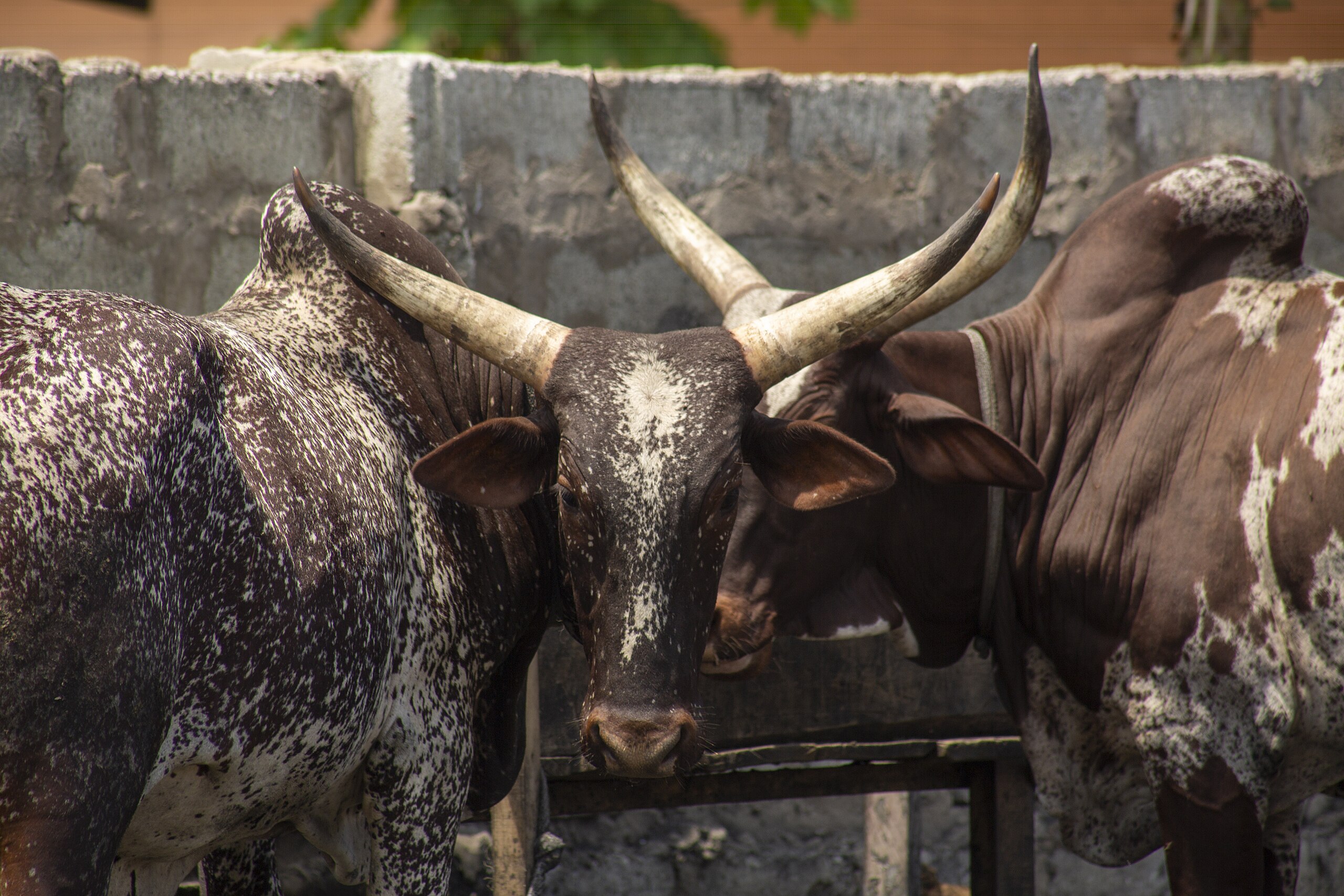
Featured image: The Cow & Horn. Credit: Goldenwabbit, CC BY-SA 4.0